


You spent real money getting it right. Good blinds, quality shutters, a security screen that will actually do its job when you need it to. That investment deserves more than a set-and-forget approach.
Regular cleaning and maintenance isn’t just about keeping things looking good — though it does that too. It’s how you protect your warranty, extend the life of your products, and make sure everything keeps functioning the way it was designed to. In South East Queensland’s climate, with its heat, humidity, coastal salt air, and the occasional burst of serious weather, a little routine care goes a long way.
Here’s what you need to know.
Why Maintenance Matters More Than People Think
Most window furnishing warranties have a clause that’s easy to miss: coverage is conditional on the product being properly maintained. That means if a component fails after years of salt, grime, and UV buildup — and there’s no evidence it was ever cleaned — the warranty may not apply.
That’s not a technicality buried in fine print. It’s just the reality of how materials perform in Queensland conditions. Stainless steel security screens, for example, are built to last — but even the best stainless mesh will begin to corrode if salt air is allowed to accumulate without being washed off regularly. The same principle applies across the board: fabric blinds that aren’t dusted will deteriorate faster, timber shutters that get moisture buildup will warp, and awning mechanisms that go unchecked will eventually seize.
A small amount of effort on a regular basis is the difference between a product that lasts twenty years and one that needs replacing in ten.
Blinds and Roller Shades
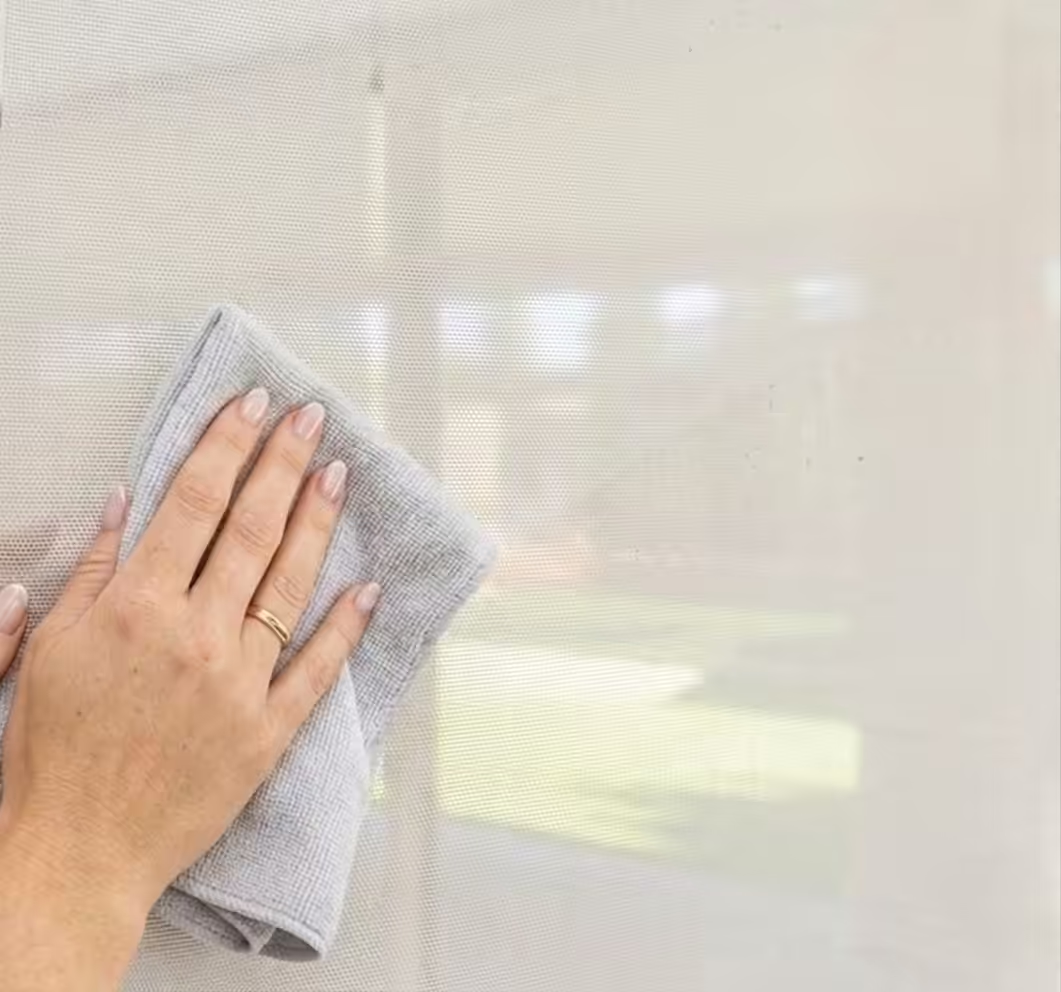 Roller blinds, roman blinds, vertical drapes, panel glides — the basics are the same across all fabric-based products.
- Dust regularly with a soft cloth, duster, or low-suction vacuum with a brush attachment. This prevents dust from embedding into the fabric over time.
- For spot stains, use a mild detergent with lukewarm water and a soft cloth. Dab — don’t rub. Rubbing can spread the stain and damage the fabric weave.
- Avoid harsh chemical cleaners, abrasive cloths, and solvents. These can strip protective coatings and cause discolouration.
- Check operating cords and chains every few months. If anything feels stiff, sticky, or harder to operate than usual, it’s worth having it looked at before it becomes a bigger issue.
- For motorised blinds, test the motor operation periodically and keep the remote and battery contacts clean.
Venetian blinds — aluminium, PVC, or basswood — need a bit more attention to the blades themselves. Wipe each blade with a damp cloth to remove dust buildup. For basswood venetians, avoid excess moisture and never use wet cloths directly on the timber. Moisture is the enemy of wood.
Shutters and Louvres
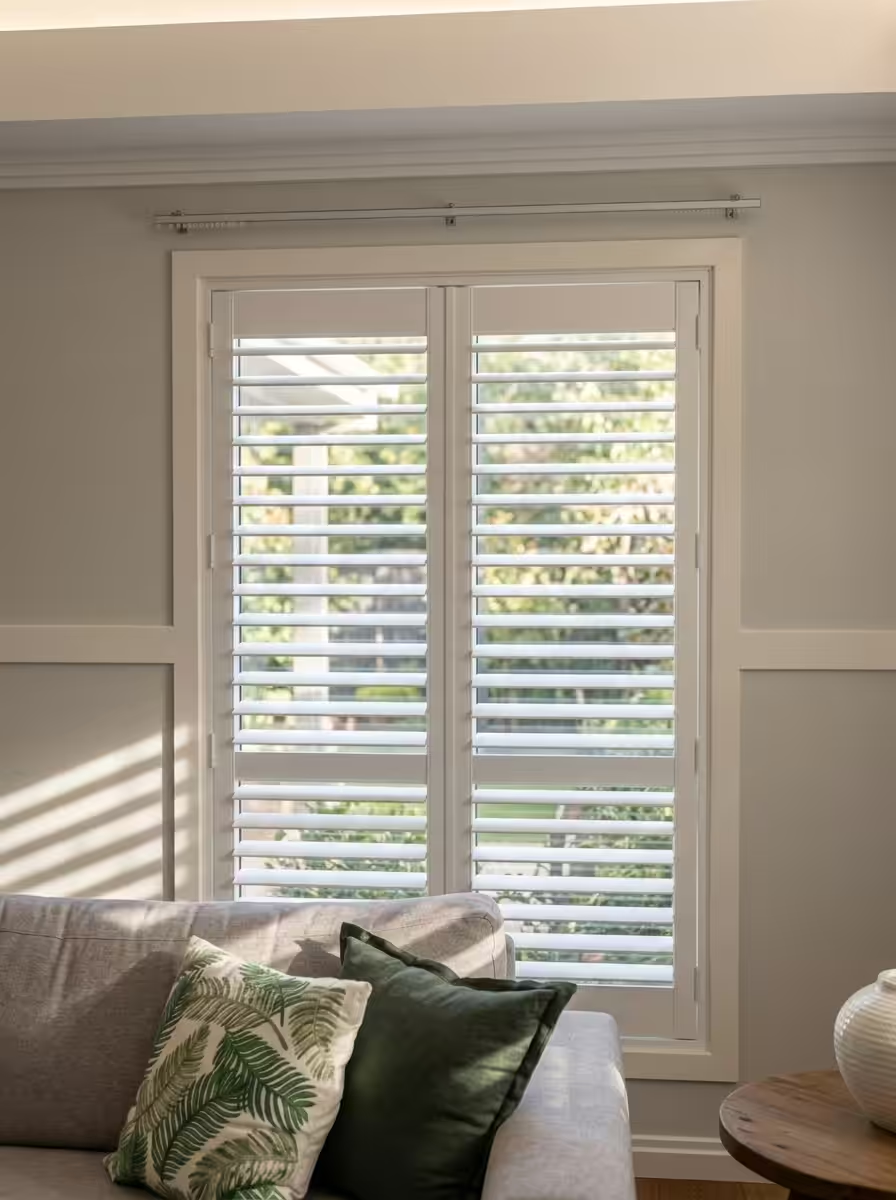 Plantation shutters and louvres are among the most durable products in any home — but they do need regular attention, particularly in high-traffic areas or rooms exposed to cooking, humidity, or direct weather.
- Wipe down blades and frames with a soft, slightly damp cloth. A microfibre cloth works well.
- For aluminium or PVC shutters, a mild soapy solution is fine. Rinse with clean water and dry thoroughly.
- Avoid harsh chemicals or abrasive pads on powder-coated surfaces. The coating is what protects the material — once it’s scratched or degraded, the frame is exposed.
- Check that blades rotate smoothly and hinges open and close without resistance. A small amount of silicone-based lubricant on hinges and pivot points will keep things moving freely.
- For external louvres, inspect after severe weather. Check for any debris lodged in the blades or mechanical components.
Security Screens and Doors
This is where maintenance has the most direct impact on both performance and warranty coverage. Security screens — particularly stainless steel mesh products like Clearshield® — are engineered to extremely precise tolerances. The mesh is thin, hard, and designed to resist impact. Keeping it clean is what keeps it performing.
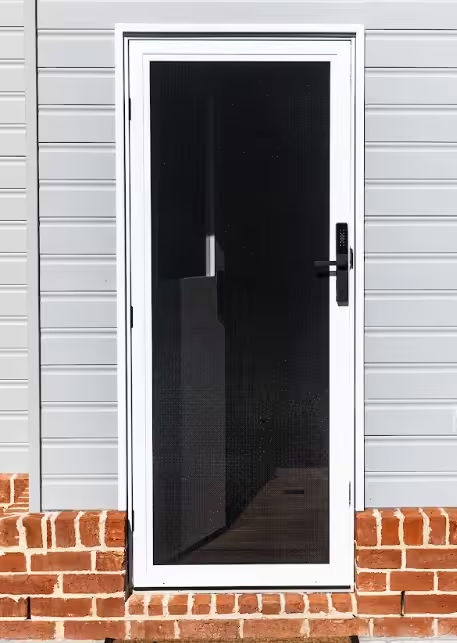
- Clean mesh with warm water and a mild detergent using a soft brush or cloth. Work from top to bottom.
- For homes within 500 metres of the coast or estuaries, clean fortnightly at minimum. Salt air deposits on stainless steel and begins the corrosion process if left unattended.
- This isn’t a recommendation — for most manufacturers’ warranties, it’s a requirement.
- Rinse thoroughly with fresh water after cleaning and allow to dry.
- Avoid high-pressure washing directly onto mesh — it can distort the perforation or loosen the mesh from the frame.
- Check locks, hinges, and closing mechanisms every few months. Lubricate with a silicone or light machine oil if stiff.
- Inspect the frame for any impact damage, especially after storms. Small dents or bends that seem cosmetic can affect how the door seals and locks.
Clearshield® security screens carry a 15-year warranty on the stainless steel sheet and a 10-year warranty on the manufactured product — but both are subject to adherence to the cleaning schedule. Good maintenance isn’t just good practice. It’s how you hold onto that warranty.
Awnings and Outdoor Blinds
Outdoor products cop the hardest conditions — UV, rain, wind, and whatever Queensland summer throws at them. A consistent maintenance routine will keep them functioning properly and looking good for years longer than a neglected product.
- Clean awning fabric with a soft brush and mild soapy water. Rinse thoroughly. Allow to fully dry before rolling or retracting — storing a damp awning is one of the fastest ways to develop mould and mildew.
- For polycarbonate fixed panel awnings, use a non-abrasive detergent and a soft cloth. Avoid anything that can scratch the surface — scratches reduce light clarity over time.
- Check all arms, hinges, and pivot points on folding arm awnings. Any squeaking or resistance is a signal to lubricate before the component wears.
- For motorised awnings, retract in strong winds — most motors are not rated for use in high wind conditions. Check your product documentation for wind speed ratings.
- Inspect guide wires and tensioning systems on wire-guided outdoor blinds. Slackness in the guide can allow the blind to move in wind and cause wear on the edges.
Fly Screens and Insect Barriers
Fly screens are one of those products that tends to get ignored until there’s a hole in them. A simple routine keeps them working.
- Brush or vacuum mesh periodically to remove dust and debris.
- For retractable fly screens, wipe the housing and guide tracks with a damp cloth. Keep tracks clear of grit — it accelerates wear on the retraction mechanism.
- Inspect frames for any bowing or gaps. A screen that doesn’t seal properly isn’t doing its job.
A Few Rules That Apply Across the Board
- Mild detergent and soft cloths are your default. When in doubt, less is more.
- Never use bleach, solvents, abrasive cleaners, or steel wool on any of these products.
- Always check your individual product care guide — it will have specific guidance for your material and finish.
- If something doesn’t look right — a mechanism that’s stiff, a component that’s changed shape, any sign of early corrosion — address it early. Small issues that get ignored become expensive ones.
We Made It Right. Help It Stay That Way.
Every product that leaves our factory in Brisbane has been measured twice, manufactured to spec, and installed by our own crew. We put genuine care into getting it right from the start. The maintenance side of things is your part of the deal — and it’s not a demanding one. A bit of regular attention is all it takes to protect the investment and keep everything working exactly as it should for years to come.
If you’ve got a question about caring for a specific ONESOLOMON product, or you’ve noticed something that doesn’t seem right, get in touch with our team. We’re that little local company — and we’re happy to take a look.